
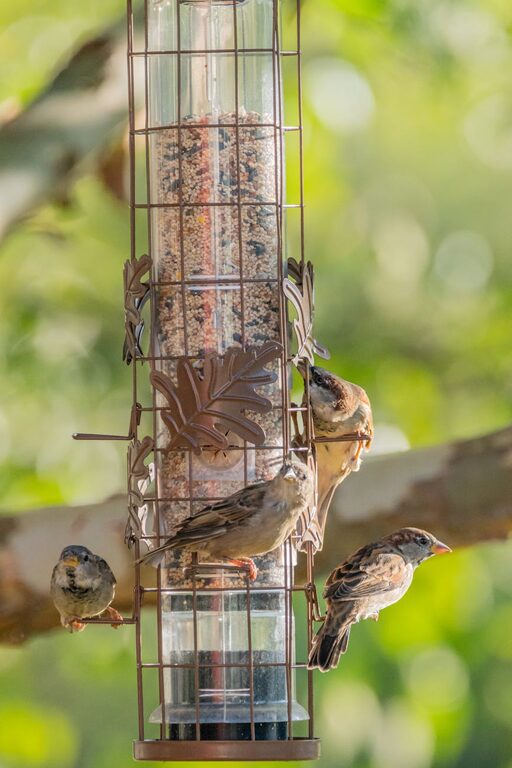
Birdwatching is a delightful hobby that connects you with nature, offering peaceful moments and fascinating insights into the world of birds. You don’t need to travel far to enjoy this activity—your own backyard can become a prime spot for watching birds. If you’re new to birdwatching, these beginner tips will help you get started with ease and make the most of your experience.
Why Birdwatching in Your Backyard?
Birdwatching close to home is convenient and rewarding. It allows you to observe local species without the need for special gear or long trips. Plus, it’s a wonderful way to bring nature closer to your daily life, reduce stress, and even engage your family or friends in a fun outdoor activity.
Essential Equipment for Beginners
You don’t have to spend a lot to enjoy birdwatching. Here’s what you’ll need to get started:
– Binoculars: A good pair of binoculars helps you see birds clearly from a distance. Choose a lightweight, easy-to-use model with 8x to 10x magnification.
– Field Guide or Bird ID App: A bird identification guide, either in book form or as an app, helps you recognize different species.
– Notebook and Pen: Jotting down your observations can be enjoyable and helps you track the birds you see.
– Bird Feeder (optional): Attract birds to your yard by providing food, which increases your chances of regular visitors.
Setting Up Your Backyard for Birdwatching
Choose the Right Location
Pick a quiet spot that offers a clear view of trees, shrubs, or open spaces where birds like to perch and forage. A window seat or a patio can be excellent places to watch from indoors.
Provide Food and Water
Birds need food and water, so offering these will invite more species to visit.
– Feeders: Use different types of feeders—tube feeders for seed-loving birds, suet feeders for insect eaters, and platform feeders for a broad variety.
– Food: Black oil sunflower seeds are popular overall; mealworms attract insect-eating birds; and nyjer seeds are loved by finches.
– Water Source: A shallow birdbath with clean water is essential for drinking and bathing.
Create Shelter and Nesting Spots
Native plants, shrubs, and trees give birds places to hide, rest, and nest. Consider planting bird-friendly shrubs or leaving some leaf litter and dead branches in a corner to support insects and shelter.
Observing and Identifying Birds
Patience is Key
Birdwatching requires calm and patience. Birds might not appear immediately, so give yourself time to observe and listen.
Use Your Senses
– Sight: Look for key colors, shapes, and behaviors.
– Sound: Learn common bird calls and songs to identify species even when they’re hidden.
– Movement: Notice how birds fly, perch, or feed as these can be clues to their identity.
Take Notes and Photos
Recording your sightings helps you learn and remember different species. If possible, take photos—these make identification easier later.
Respecting Birds and the Environment
Always observe birds from a distance without disturbing their natural behavior. Avoid sudden movements or loud noises. Keep feeders clean and fresh to prevent disease. Also, avoid using pesticides or chemicals that could harm birds and their food sources.
Fun Backyard Birdwatching Activities
– Bird Bingo: Create bingo cards with common birds in your area and see how many you can spot.
– Seasonal Watching: Different birds visit during various seasons, so watch for changes.
– Family Challenges: Involve kids or family in spotting specific birds or counting numbers.
Joining the Birdwatching Community
Once comfortable, consider joining local birdwatching clubs or online forums. Sharing your experiences can be rewarding and help you learn even more.
—
Backyard birdwatching is a wonderful way to enjoy nature daily, deepen your appreciation for wildlife, and develop a relaxing routine. With just a few simple steps, you can transform your outdoor space into a vibrant bird habitat. So grab your binoculars and start exploring the fascinating world of birds right outside your door!